


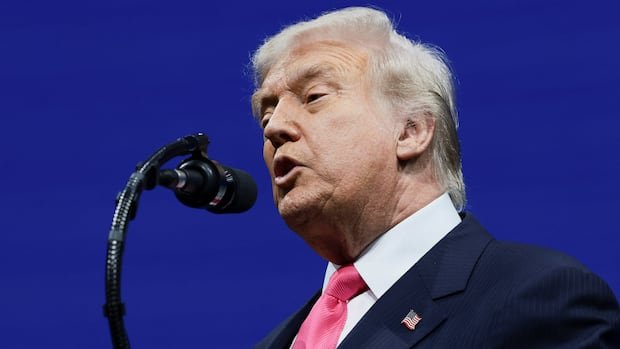

The Trump administration unveiled plans on Thursday to commence new oil drilling activities off the coasts of California and Florida, marking a significant shift after decades of restricted drilling. Critics have raised concerns about potential adverse effects on coastal communities and ecosystems as President Donald Trump pushes for increased U.S. oil production.
The oil industry has been advocating for access to untapped offshore areas in Southern California and off the Florida coast to bolster U.S. energy security and create job opportunities. Federal waters in the eastern Gulf of Mexico, which include parts of offshore Florida and Alabama, have been off-limits for drilling since 1995 due to fears of oil spills. Although California already has some existing offshore oil rigs, no new leasing in federal waters has occurred since the mid-1980s.
In a bid to promote what he terms as U.S. “energy dominance” globally, President Trump has been actively reversing the climate change initiatives of his predecessor, Joe Biden, focusing instead on ramping up U.S. energy production, particularly in fossil fuels like oil, coal, and natural gas. Trump’s administration has taken steps to hinder renewable energy sources such as offshore wind projects and has canceled funding for numerous clean energy initiatives nationwide.
The proposed offshore drilling plan has already faced strong opposition from California Governor Gavin Newsom, a vocal critic of Trump who has labeled the idea “dead on arrival.” The proposal is also expected to encounter bipartisan resistance in Florida, where tourism and pristine beaches are vital components of the state’s economy.
The administration’s plan includes six offshore lease sales off the California coast and introduces new drilling zones at least 160 kilometers off the Florida coast. These areas are adjacent to the Central Gulf of Mexico, which is already home to numerous wells and drilling platforms. Additionally, the five-year plan outlines over 20 lease sales off the Alaskan coast, including a newly designated area in the High Arctic, over 320 kilometers offshore in the Arctic Ocean.
Interior Secretary Doug Burgum emphasized that it would take several years for the oil extracted from these parcels to reach the market. The American Petroleum Institute lauded the plan as a “historic step” toward unlocking significant offshore resources. Proponents highlight California’s infrastructure supporting oil production and its historical role as an oil-producing state.
Notably, U.S. Senator Rick Scott of Florida successfully influenced Trump officials to abandon a similar offshore drilling plan in 2018 when he served as the state’s governor. Recently, Scott and fellow Florida Senator Ashley Moody co-sponsored legislation to uphold a moratorium on offshore drilling in the state. Governor Newsom’s office raised concerns about the potential risks and economic implications of costly offshore drilling initiatives.
Democratic lawmakers, including California senators and representatives, issued a warning about the catastrophic consequences of expanding offshore drilling, emphasizing the environmental damage, economic repercussions, and threats to public health and safety that oil spills could pose. They stressed that a single oil spill could result in billions of dollars in losses and substantial environmental harm.
The Trump administration’s push for expanded offshore drilling continues to spark debate and resistance from various stakeholders concerned about the environmental impact and economic risks associated with such initiatives.