


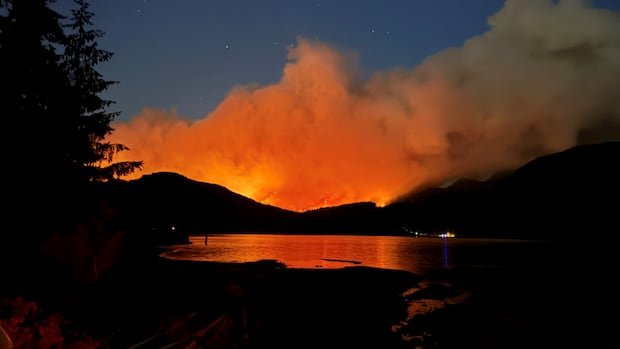

Wildfire experts are warning that Canada’s wildfire season could escalate into another severe year due to lingering drought conditions and a warm summer. Mike Flannigan, a wildland fire professor, expresses concern that most years at a national scale may now be characterized by intense wildfires fueled by human-caused climate change.
While it’s challenging to predict the exact outcome of the wildfire season in April, certain indicators suggest potential risks. Parts of Canada, including historic wildfire hot spots in British Columbia, northern Manitoba, and eastern Northwest Territories, have already emerged from winter under abnormally dry or drought conditions. Forecasts indicate above-average temperatures for much of the country in the upcoming months, with the possibility of El Niño influencing conditions.
Despite a stormy winter leaving a substantial snowpack in many regions, some areas like southern British Columbia, southern Alberta, and southwestern Saskatchewan have experienced early wildfire-conducive conditions. Concerns also arise in drought-affected regions like New Brunswick and areas around Hudson Bay and eastern Northwest Territories.
Canada is entering uncharted territory with three consecutive severe fire years, with climate change intensifying wildfire seasons. The warmer climate dries vegetation, creating ideal conditions for fires. Forests now release more carbon than they absorb, contributing to a dangerous feedback loop. Extreme wildfire behavior, like generating thunderstorms that start new fires, is becoming more common.
Wildfires not only displace thousands of people but also pose health risks due to smoke exposure. Health Canada estimates that smoke from wildfires could lead to hundreds of premature deaths and significant economic costs. Staying vigilant and taking precautions, such as properly extinguishing campfires, can help mitigate the risk of wildfires as the country heads into the spring season.