


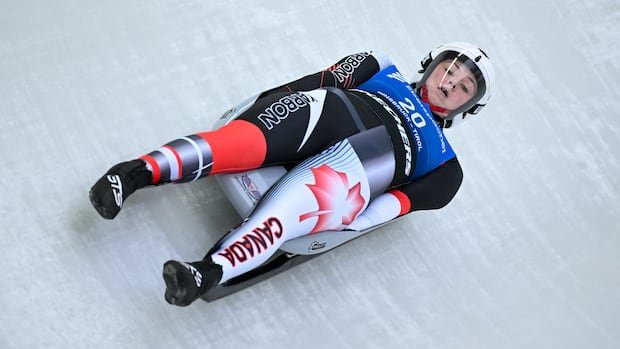

Canadian luger Caitlin Nash, 23, is concerned about her future in sports, expressing worries about the financial challenges that may cut her career short before the 2030 Olympics. Nash emphasized the struggle of sustaining her athletic lifestyle due to the lack of financial support, which could potentially lead to early retirements for many athletes post the current competitive cycle.
The stagnation of core funding for sports from the federal government over the past two decades has exacerbated the financial strain on national sport organizations (NSOs). Despite the overall spending remaining constant, inflation has significantly increased operational costs, impacting athletes like Nash who face escalating team fees and personal expenses to participate in events.
Escalating Costs and Financial Challenges
Nash highlighted the substantial rise in team fees, from $20,000 last season to $25,000 this year, forcing athletes to cover additional expenses previously managed by their organizations. Similarly, Bobsleigh Canada Skeleton (BCS) witnessed a dramatic surge in team fees from $2,000 in 2022 to $25,000 this season, with athletes now responsible for travel and accommodations costs that were previously covered.
Even successful athletes like speed skater Isabelle Weidemann, who secured gold, silver, and bronze medals at the Beijing Olympics, are not immune to financial struggles. Weidemann revealed her personal debt incurred from supporting expenses that Speed Skating Canada can no longer afford, showcasing the widespread impact of the funding crisis on athletes’ financial well-being.
Challenges in Funding and Sustainability
The current funding landscape for Canadian athletes remains challenging, with limited financial support available through government programs like the Athletes Assistance Program. Despite efforts to secure private sponsorships and additional income streams, many athletes still face financial burdens that hinder their training and competitive opportunities.
Adam van Koeverden, the secretary of state for sport, acknowledged the need for increased investments in sports across all sectors and levels of government to ensure the sustainability of the Canadian sport system. However, the persistent lack of substantial funding increases from the federal government has raised concerns about the long-term viability of sports organizations and the overall athlete support system.
Seeking Solutions and Future Prospects
The ongoing funding crisis in Canadian sports has prompted calls for urgent action to address the financial challenges faced by athletes and NSOs. With the upcoming federal budget release, stakeholders are hopeful for significant funding boosts to support the development and success of Canadian athletes on the international stage.
As athletes continue to navigate the financial hurdles of their sporting careers, the need for sustainable funding models and increased support mechanisms remains a critical issue that requires immediate attention to ensure the long-term success and competitiveness of Canadian sports.