


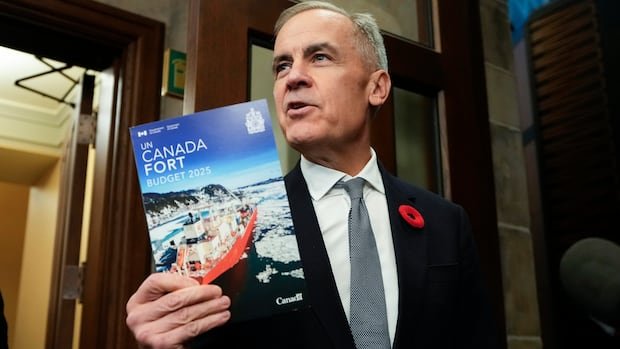

Indigenous leaders are expressing worry following the recent federal budget, which did not provide guaranteed funding for key reconciliation programs beyond spring 2026. This has raised concerns that these programs may either be discontinued or face significant budget cuts.
After the release of the first budget by Prime Minister Mark Carney’s minority Liberal government, a chart detailing “Indigenous Reconciliation” initiatives since the fall 2024 economic statement started circulating on social media. While the government has increased funding for critical programs such as on-reserve education, First Nations and Inuit children’s wellness, emergency management, and urban programming for the current year, the future funding columns displayed zeros for upcoming years.
Assembly of First Nations National Chief Cindy Woodhouse Nepinak expressed her apprehension about the future of these programs, referring to them as “sunset programs” with fixed funding or end dates that require further discussion. She emphasized the need for immediate clarification from the government.
Similarly, President Natan Obed of Inuit Tapiriit Kanatami (ITK) raised concerns about the Inuit Child First Initiative, set to expire in March, which did not receive any new funding in the budget. Obed mentioned the possibility of legal action if equitable services for Inuit children are not ensured.
Indigenous Services Minister Mandy Gull-Masty clarified that the government aims to modernize the delivery of sunsetting programs and align outcomes with community needs rather than terminating them. However, programs like Urban Programming for Indigenous Peoples, providing essential services through friendship centers in cities, are at risk due to the lack of new funding.
While some organizations like the Manitoba Métis Federation welcomed the budget, others had mixed reactions. The budget proposes limiting spending cuts at Indigenous Services Canada and other related departments, with a potential reduction of about $500 million per year. New investments include funds for safe water in First Nations communities and consultations on major projects affecting Indigenous communities.
Despite some positive aspects, Indigenous leaders remain cautious about the budget’s impact on reconciliation efforts and express concerns about the lack of funding for crucial initiatives like tuberculosis elimination and child welfare programs. The budget’s overall commitment to reconciliation is being scrutinized by Indigenous leaders, who are closely monitoring future updates for potential improvements.