


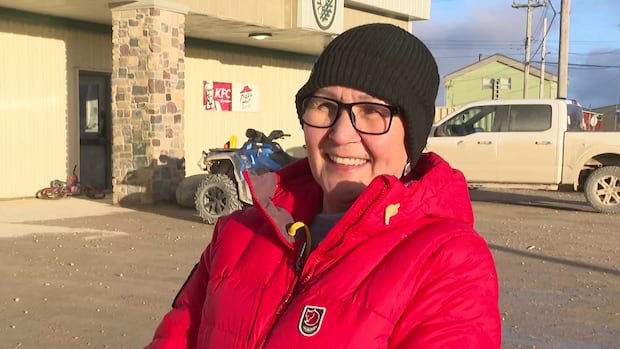

Former MLA Jeannie Ehaloak, standing in Cambridge Bay, Nunavut, observes various community issues that need attention. The loss of the arena and youth center has led to increased vandalism and mischief, with a plea for help from the youth. Ehaloak views these concerns as critical for the upcoming territorial election.
Darlene Agitak, the youth center program co-ordinator in Cambridge Bay, emphasizes the lack of platforms for youth to engage in civic matters and express their desired changes to politicians. She suggests establishing a youth committee as a starting point to address this issue.
Agitak stresses the importance of improved communication between politicians and constituents, advocating for more transparency on community affairs, education, and culture through accessible public information channels like websites.
Ehaloak, having served in the legislative assembly, underscores the need for better communication from politicians to the public, especially on pressing matters such as food security and Arctic sovereignty, which she identifies as significant political topics.
Voter turnout in Nunavut has declined over the years, with only 47.9% of eligible voters participating in the 2021 election. In response, residents like Tiina Kakkik from Iqaluit aim to make voting more appealing and accessible to address the low turnout rates. Kakkik suggests making voting “cool” to inspire more Nunavummiut to engage in the electoral process.
Maggie Amarualik acknowledges her past indifference towards voting but now recognizes its importance, particularly in addressing critical issues like healthcare and housing in Nunavut. She urges young people to vote and actively participate in shaping their future.
The election day is scheduled for Oct. 27.