



The United States has offered a truce proposal to the conflicting parties in Sudan, but neither side has officially accepted it yet, according to U.S. envoy Massad Boulos. The Sudanese army has raised objections to the proposed plan, citing “impossible” preconditions. The paramilitary Rapid Support Forces (RSF) declared a halt to hostilities in alignment with U.S. desires but later reported repelling an attack in Babanusa, West Kordofan state.
President Donald Trump had pledged intervention to end the conflict between the army and RSF, which began in April 2023 due to a power struggle, leading to severe humanitarian crises. Previous peace efforts involving the U.S., Saudi Arabia, Egypt, and the United Arab Emirates have not yielded results, with a joint proposal submitted to the conflicting parties in September.
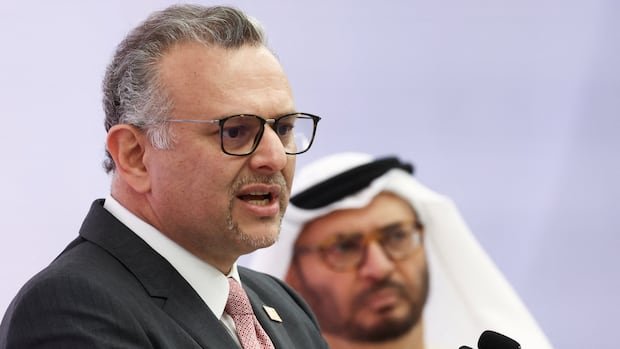
Despite a unilateral ceasefire declaration by the RSF, the Sudanese army chief criticized the U.S.’s recent proposal, claiming it favored the RSF over the army. Boulos, along with Anwar Gargash, diplomatic adviser to the U.A.E. president, refuted these claims, emphasizing the importance of accurate information in peace talks.
The U.A.E., accused of supporting the RSF militarily, denied the allegations, emphasizing its commitment to peace efforts. Gargash highlighted that Sudan’s future should not be influenced by groups like the Muslim Brotherhood, a reference to the Islamist presence in the Sudanese army.
Ongoing international pressure following brutal attacks on civilians led the RSF chief to announce a unilateral ceasefire, the enforcement of which remains uncertain. Boulos urged an end to external financial and military assistance to the conflicting parties, emphasizing the need for peace and accountability for any reported abuses.