


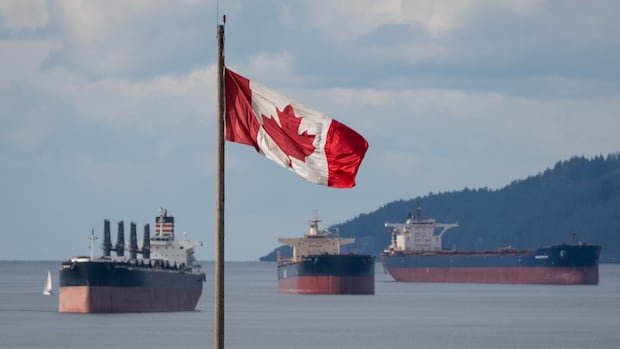

The early arrival of the holiday season is leading to an increase in shipping costs. A surge in wholesale orders, spanning from festive decorations to household furniture, is driving up maritime shipping rates to the highest levels in four years. This rise is attributed to uncertainties surrounding tariffs and the Iran conflict, with potential implications for consumers.
Experts in the industry note that retailers and importers, particularly in the United States, are hurrying to secure shipments ahead of anticipated new U.S. tariffs affecting multiple countries by the end of July. The spike in demand is causing a rise in seaborne transportation prices worldwide.
Judah Levine, head of research at shipping platform Freightos, explained that the early peak in demand is the primary factor behind the escalating freight rates. He linked this “front-loading” trend to expected tariffs and escalating fuel prices resulting from the prolonged closure of the Strait of Hormuz.
Long-term contracts between major shippers and carriers, where fuel costs are adjusted quarterly, will pass on the increased fuel expenses incurred by carriers over the past three months to shippers starting this summer.
Global shipping rates for containers, as measured by the Platts Container Index, surged around 80% in the 30 days leading up to June 24, reaching their highest point since April 2022. Rates for shipping containers from East Asia to North America’s west coast have soared by 120% in the past six weeks.
John Corey, president of the Freight Management Association of Canada, noted that concerns over potential U.S. tariffs, exacerbated by the uncertain status of the Canada-United States-Mexico Agreement, are driving the current shipping trends.
The White House recently identified Canada among the countries facing potential additional tariffs over alleged forced labor practices. However, most goods exported from Canada to the U.S. comply with existing trade agreements and are not subject to tariffs.
The renewal deadline for the Canada-U.S.-Mexico Agreement on July 1 has caused some uncertainty, prompting businesses to accelerate their orders to avoid potential disruptions. The resulting ambiguity has fueled a rush in bookings, leading to increased prices in the shipping industry.
Lisa McEwan, co-owner of customs brokerage Hemisphere Freight, emphasized the urgency for clients to book shipments promptly to navigate the current market conditions. She highlighted that average consumers will likely bear the impact of these rising costs at the checkout counter.