


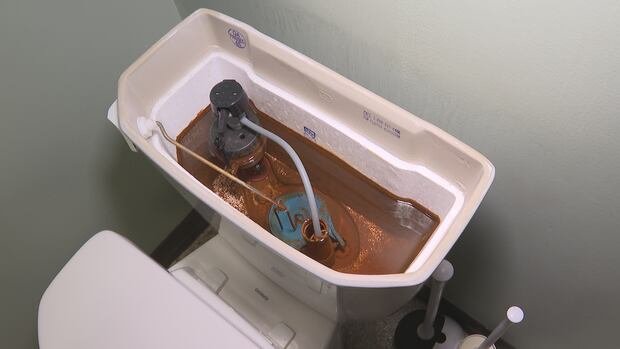

After having her well water tested at the designated laboratory in Fredericton, Dana Whitenect received a report confirming high levels of manganese, causing brown staining in her water tanks. Unfortunately, there was no warning about the potential health risks to the children at her Saint John daycare.
Although Whitenect was told the manganese was only a cosmetic issue, it was actually a health concern. The manganese levels in her drinking water were nearly eight times higher than the limit set by Health Canada in 2019 to safeguard the brain development of children and infants fed with formula.
New Brunswick recently updated its drinking water guidelines to match the federal standards. The province’s environment minister, Gilles LePage, admitted to a significant delay in aligning with Health Canada’s standards, citing his recent appointment after the 2024 election as a reason for the oversight.
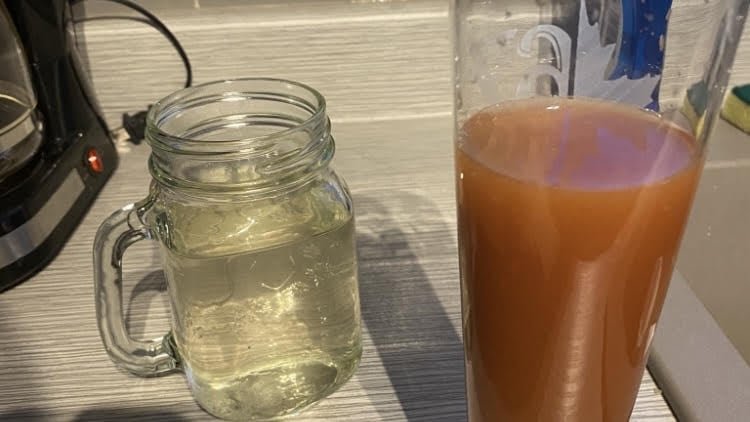
Health Canada’s guidelines are not legally binding on provinces, and the Research and Productivity Council of New Brunswick, a Crown corporation, did not consistently reference them in well-water reports.
Previously, individuals dropping off water samples at council labs would receive a caution if their water exceeded Canadian drinking water guidelines. However, inconsistencies were found in the warnings provided by different agencies handling water samples.
Discrepancies in Reporting
In a recent test conducted by CBC News, it was found that submitting water samples directly to the council labs or through Service New Brunswick could yield different results and warnings, highlighting inconsistencies in the reporting process.
LePage acknowledged the discrepancies and assured that steps have been taken to ensure uniformity in the regulatory system, aligning with national standards.
Extent of Manganese Issue
About 40% of New Brunswick’s population relies on private wells for drinking water. The province estimates that up to 30% of the 120,000 private wells in the region may have elevated manganese levels.
Manganese is a common element in the local geology, with concentrations varying over time. Regular testing is recommended to monitor changes in manganese levels in private wells.
In a case in Sussex, a municipal well experienced a tenfold increase in manganese levels between 2019 and 2023. Despite investing in a treatment system that failed, the well had to be shut down.
Municipal water sources in Saint John, Moncton, and Fredericton are treated for manganese and comply with Health Canada standards, unlike private wells that remain the responsibility of homeowners for testing and safety.
Homeowners with elevated manganese levels are advised by Health Canada to install certified treatment systems. Prices for these systems can vary, starting around $1,500.
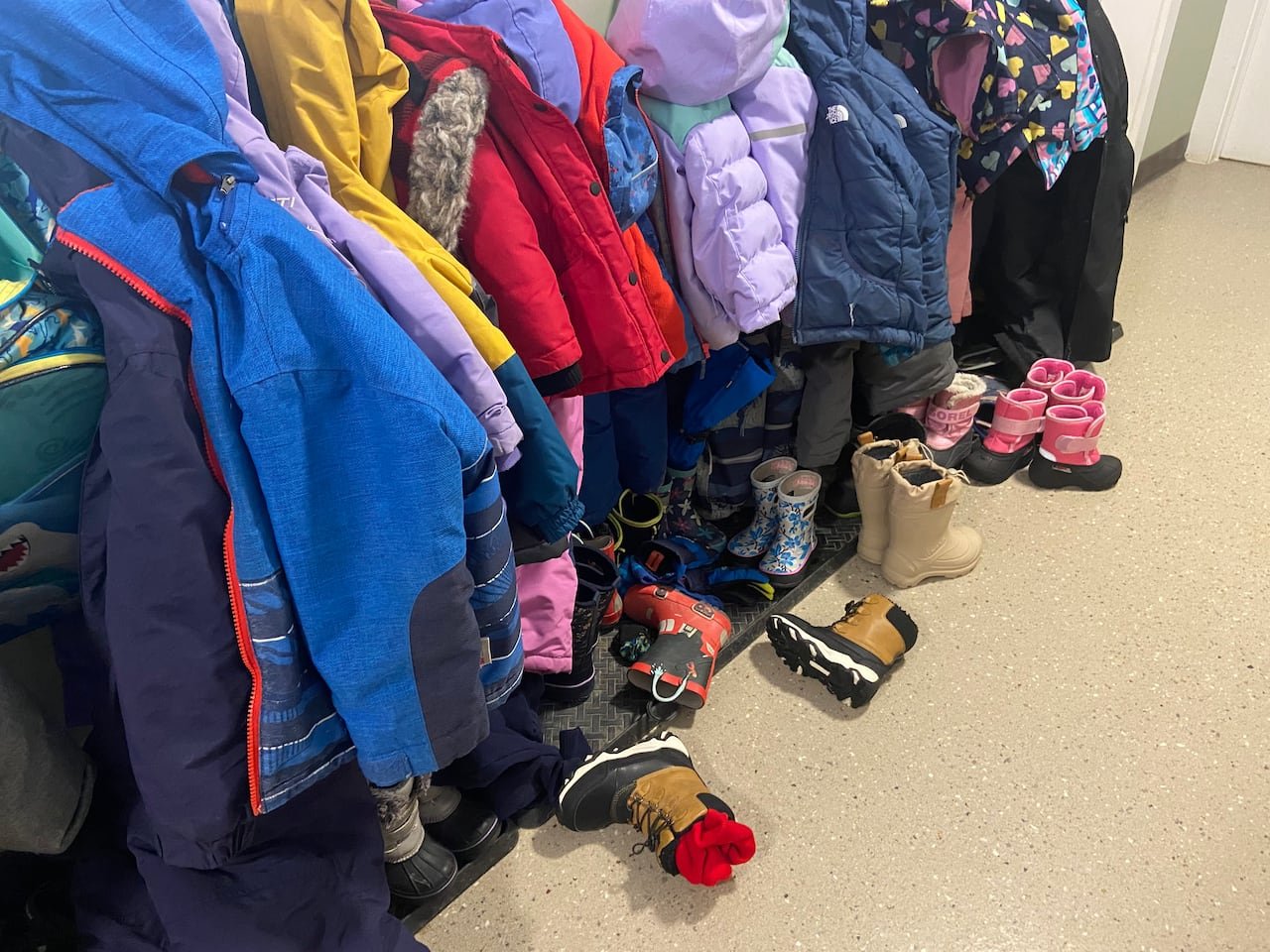
Despite the financial burden, Whitenect invested in a treatment system for her daycare to ensure safe drinking water for the children. The updated drinking water guidelines for New Brunswick now align with Health Canada’s limits for various contaminants.